Percorso DSA Rimini

Informazioni chiare e supporto specialistico per comprendere le difficoltà di apprendimento e costruire insieme un percorso personalizzato.
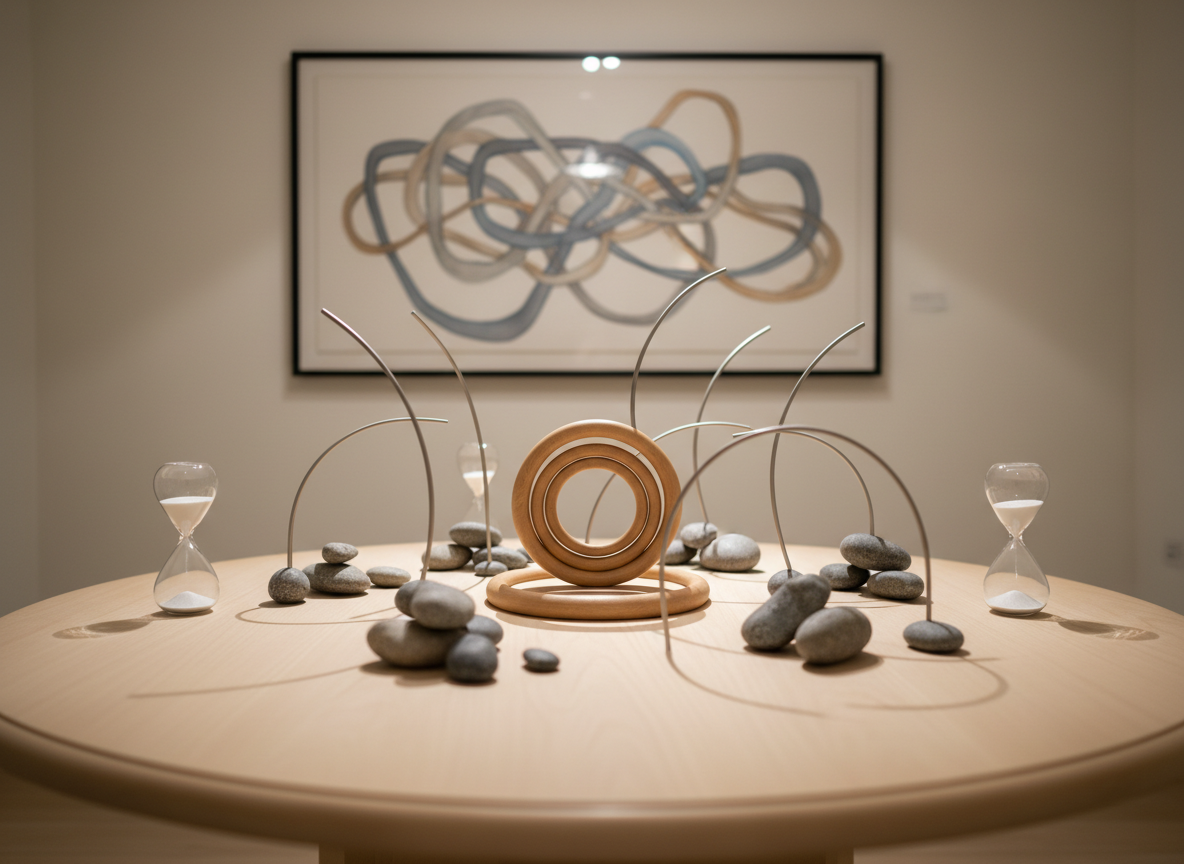
An abstract, symbolic representation of systemic-relational psychotherapy with no people: a circular wooden table displaying an intricate arrangement of interconnected objects—a set of nested wooden rings, smooth river stones of different sizes forming small groups, and two identical hourglasses placed at opposite sides of the circle, suggesting two therapists collaborating. Each cluster of stones is slightly separated yet clearly connected by thin, curved metal rods, evoking family and relational networks. The table stands in a minimalist room with pale walls and a single large artwork of intertwined lines in muted blues and grays. Soft overhead and side lighting create gentle reflections and overlapping shadows that emphasize connection. Photographic realism with a slightly elevated angle and shallow depth of field produces a contemplative, intellectual mood aligned with systemic psychology practice.
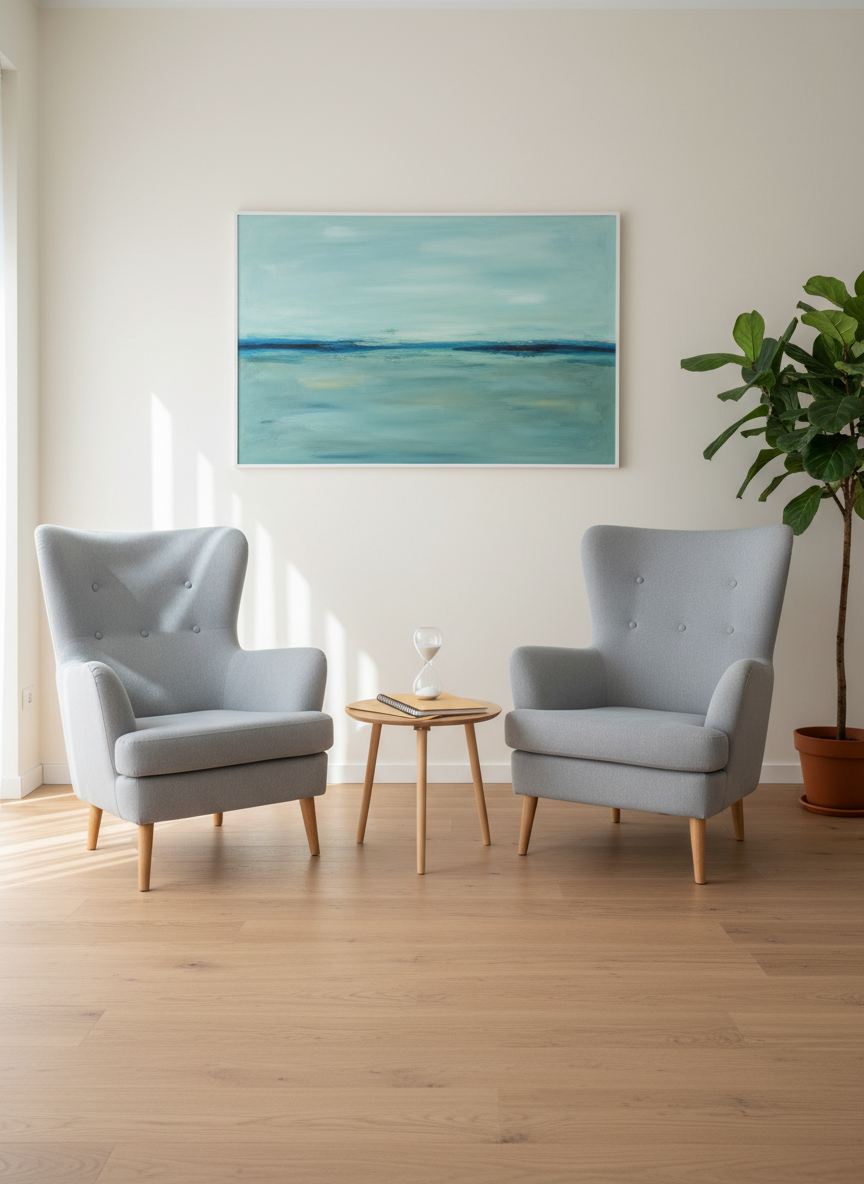
A symbolic therapy space without people, represented by two identical, high-backed fabric armchairs in soft dove gray, facing each other at a gentle angle around a small round wooden table. On the table rests a neatly stacked notebook, a closed folder, and a simple sand timer, suggesting structured, professional sessions. The setting is a bright, modern room with pale neutral walls, a large abstract painting in calming blues and greens, and a tall plant in the corner. Soft morning light filters through an unseen window, creating gentle, diffused shadows. Photographic realism at eye level, with a balanced composition and moderate depth of field, conveys a professional, welcoming, and reflective atmosphere suited to a systemic psychotherapy studio in Rimini.

Disturbi specifici dell’apprendimento: capire

I disturbi specifici dell’apprendimento riguardano lettura, scrittura o calcolo in bambini con intelligenza nella norma. Riconoscerli presto, con una diagnosi accurata, permette interventi mirati e tutela il benessere scolastico ed emotivo.

Servizi
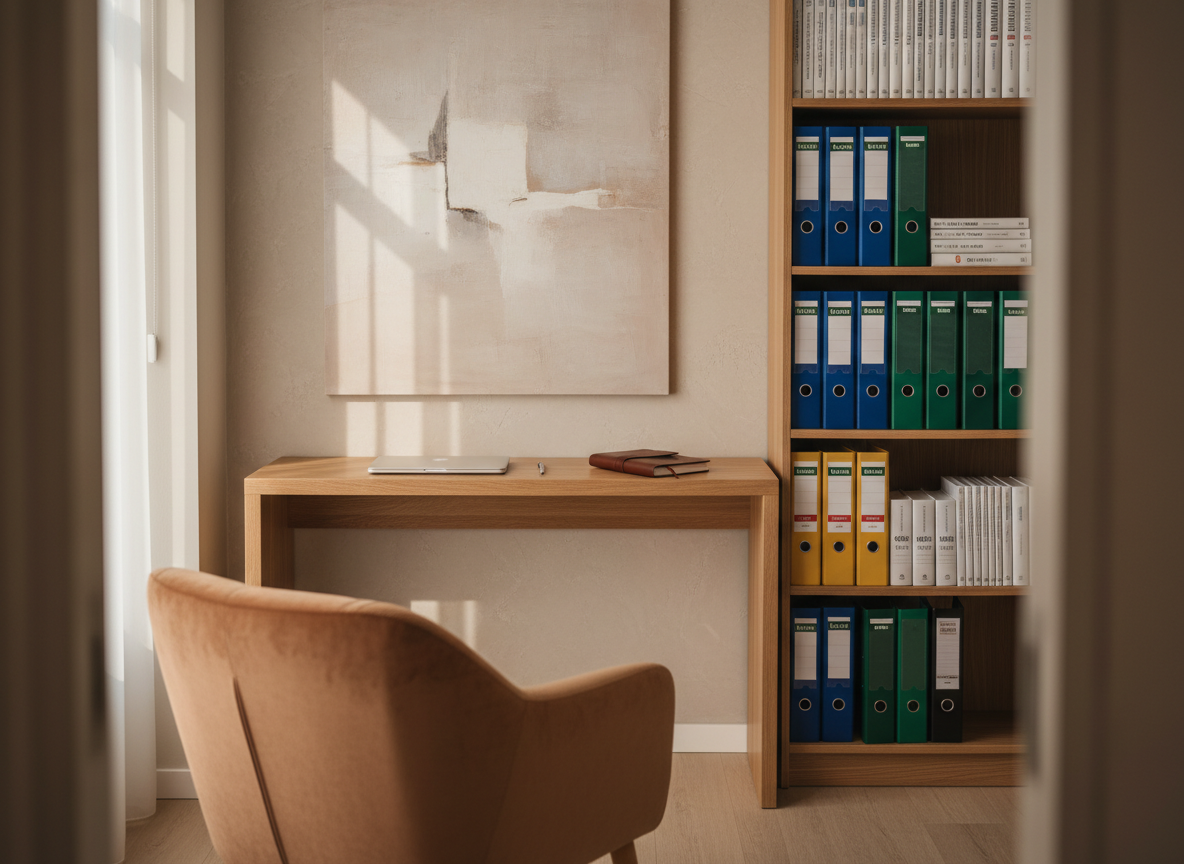
A carefully arranged scene symbolizing individual therapy: a single upholstered chair in warm taupe fabric facing a minimalist wooden console, where a closed laptop, a leather-bound notebook, and a neatly placed pen suggest focused clinical work. Nearby, a tall bookshelf holds color-coded binders and psychological texts without visible titles, emphasizing organization and expertise. The background shows a large, softly textured wall in light beige with a subtle abstract artwork. Natural afternoon light enters from the left, creating soft highlights on the wood grain and chair fabric. Shot with photographic realism from a slightly elevated angle, shallow depth of field blurring the far shelves, the atmosphere is quiet, contained, and professional, evoking a safe, structured space for personal reflection and systemic therapy.

Valutazioni neuropsicologiche complete per lettura, scrittura e calcolo, con restituzione dettagliata del profilo di funzionamento e delle risorse.
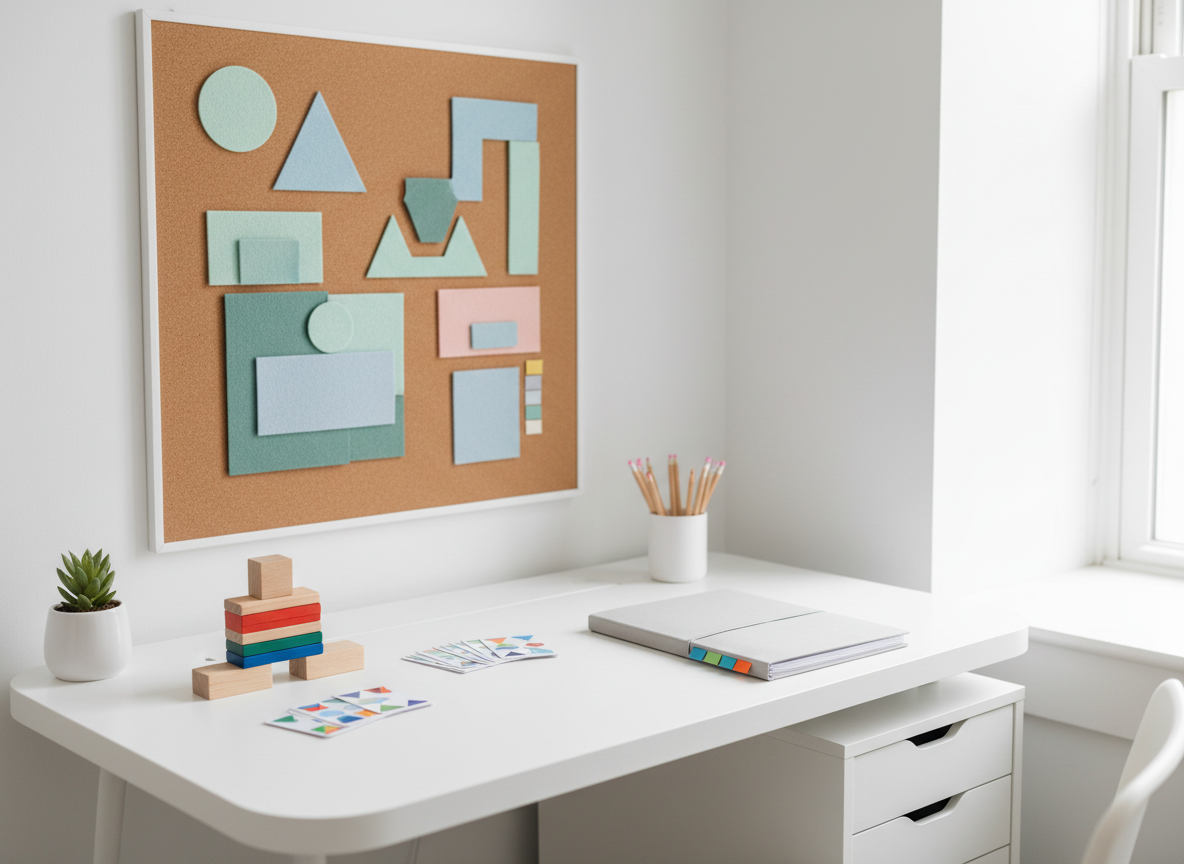
A diagnostic corner dedicated to learning disorders assessment, shown without people: a modern white desk with rounded edges, a slim monitor turned slightly aside, and neatly arranged test materials such as colored blocks, pattern cards, and sharpened pencils in a simple cup. A closed folder with color-coded tabs hints at structured DSA evaluation. Behind the desk, a corkboard holds abstract shapes and color swatches instead of readable documents, maintaining confidentiality while suggesting systematic work. The environment is bright and ordered, with soft pastel accents and a small plant adding warmth. Diffused daylight from a large window on the right creates a clean, clinical yet welcoming light. Photographic realism, shot from a slight three-quarter angle with sharp focus, conveys precision, care, and professionalism in learning disorder diagnosis.

Piani diagnostici e interventi riabilitativi o psicoeducativi personalizzati, in collaborazione con famiglia e scuola, per favorire autonomia e successo scolastico.

Informazioni

Strategie per genitori e insegnanti

Osservare con attenzione i segnali di fatica, valorizzare gli sforzi e usare strumenti compensativi aiuta bambini e ragazzi con DSA a vivere la scuola con meno ansia. Collaborare in modo costante tra famiglia, insegnanti e specialisti permette di costruire aspettative realistiche, adattare i compiti e sostenere l’autostima, senza ridurre le opportunità di apprendimento.